Top 9 Vehicle Issues That Cause Work Vehicles to Break Down on the Job
Top 9 Work Vehicle Problems That Lead to Roadside Breakdowns
Work vehicles are the backbone of many businesses, and when they fail mid-shift, the costs ripple through schedules, customer trust, and profit margins. Understanding which vehicle issues most often lead to roadside breakdowns helps fleet managers prioritize inspections, allocate budgets, and choose trusted service partners. Below are the primary failures that put work vehicles out of commission, along with practical guidance to minimize their impact.
1. Brake and Wheel Problems
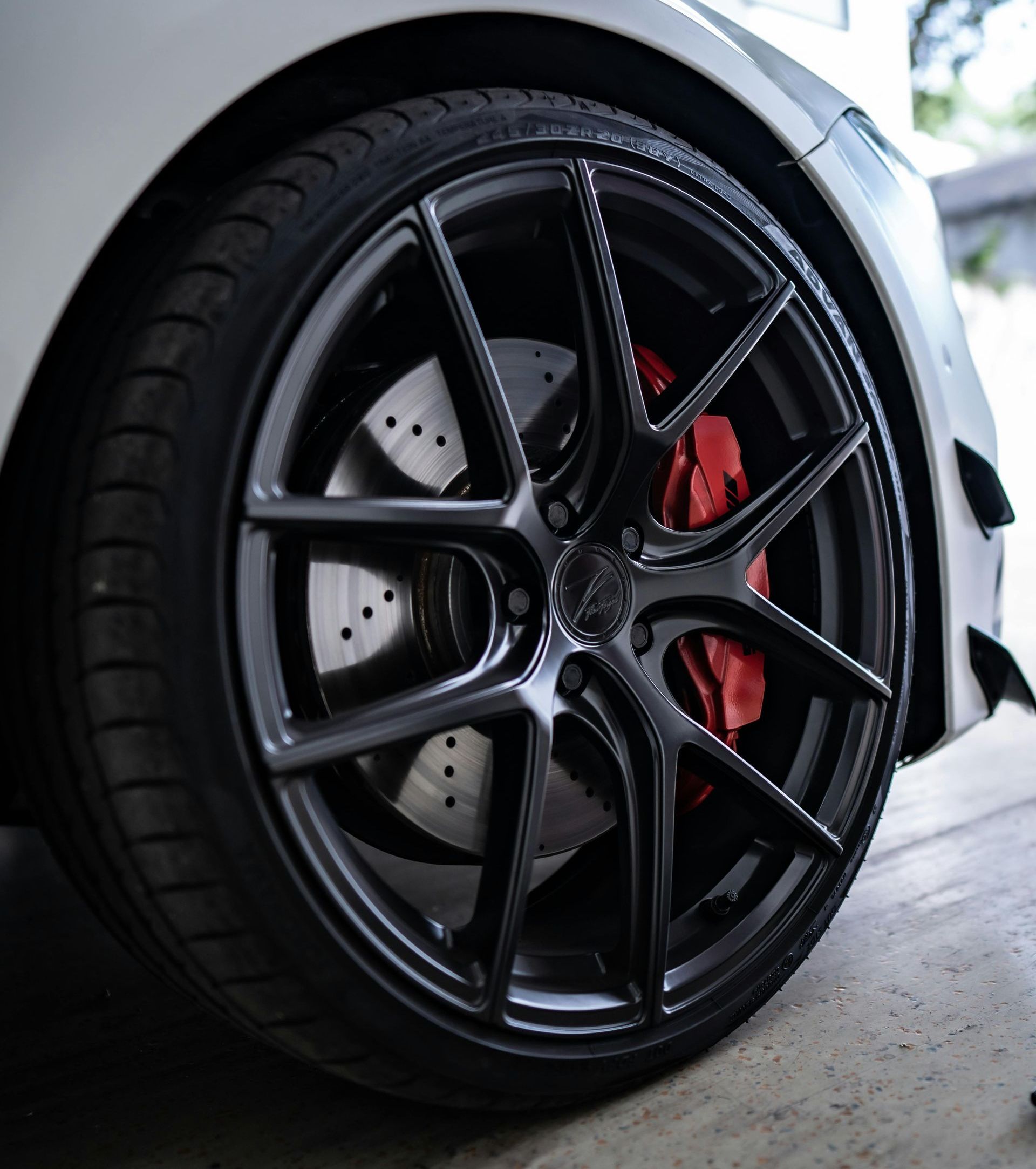
Brake system failures and wheel-related issues top the list for on-the-job breakdowns because they directly affect safety and vehicle operability. Worn rotors, failing calipers, contaminated brake fluid, and under-torqued or damaged wheel studs can all lead to a sudden loss of braking performance or wheel separation. Routine inspections and prioritized replacement intervals for brake components reduce the risk of unexpected stops and accidents during routes.
2. Engine and Cooling System Issues
Engine overheating, coolant leaks, failed water pumps, and broken belts often cause vehicles to die on the road. A compromised cooling system can cause rapid engine damage and immediate shutdowns, particularly under heavy loads or in hot conditions. Monitoring coolant levels, pressure-testing cooling components, and timely replacement of belts and thermostats are essential to prevent engine-related downtime.
3. Electrical Failures
Battery failure, alternator malfunction, starter problems, and corroded connections account for many mid-route breakdowns. Modern work vehicles rely on stable electrical systems for engine management, lighting, and auxiliary equipment. Loose grounds and failing charging systems can allow a vehicle to run for a while before suddenly failing, leaving drivers stranded.
4. Transmission and Drivetrain Problems
Automatic transmission slip, clutch failure, differential problems, and damaged CV joints can immobilize a vehicle or make it unsafe to drive. Neglecting transmission fluid and delaying service often accelerates wear. Early detection of unusual noises, vibrations, or gear engagement problems helps prevent complete transmission failure during a shift.
5. Fuel System Malfunctions
Clogged fuel filters, failing fuel pumps, contaminated diesel or gasoline, and sensor failures can abruptly cut fuel delivery and stop a vehicle. Work vehicles operating in remote or dusty conditions are particularly vulnerable. Regular fuel system inspections and the use of quality fuel reduce the chances of an on-the-job shutdown.
6. Exhaust and Emissions Issues
Blocked catalytic converters, damaged exhaust piping, and malfunctioning emission control sensors can lead to power loss and compliance issues that force vehicles off the road. Excess backpressure from a restricted exhaust can mimic engine failure, leaving drivers with limited mobility.
7. Steering and Suspension Failures
Severe suspension component failure, broken control arms, or power steering pump loss can render a vehicle undrivable and dangerous. While some steering noises signal gradual wear, catastrophic failures—often due to worn bushings or lost fluid—cause immediate incidents that take vehicles out of service.
8. HVAC and Auxiliary System Failures
Failures in HVAC systems, auxiliary power units, or mounted equipment (such as lifts or compressors) can disrupt job performance and, in extreme cases, force early returns. While not always immobilizing, these failures affect driver comfort, safety, and the ability to complete temperature-sensitive tasks.
9. Tire and Alignment Problems
Blowouts, severe tire wear, and misalignment can cause sudden, disabling events. Underinflation and improper load distribution accelerate tire failure on the road. Regular tire inspections, proper inflation management, and alignment checks help avoid abrupt tire-related service interruptions.
Which Repairs Should Be Prioritized to Prevent Breakdowns?
- Brake system: Replace pads/rotors, inspect lines and fluid.
- Cooling system: Pressure-test radiator, replace belts, check water pump.
- Electrical: Test battery/alternator, clean terminals, secure grounds.
- Transmission/drivetrain: Monitor fluid condition, address slipping or noises.
- Fuel system: Change filters, inspect pumps, and prevent contamination.
- Exhaust/emissions: Check for blockages, replace damaged components.
- Steering/suspension: Inspect bushings, control arms, and power steering integrity.
- HVAC/auxiliary: Verify operation of climate control and onboard equipment.
- Tires/alignment: Maintain pressure, rotate, and correct alignment promptly.
How Can Fleet Managers Reduce Breakdowns From These Repairs?
Prioritize a preventive maintenance schedule based on usage patterns and operating environment rather than calendar time alone. Use service records and telematics to target components that age more quickly under heavy-duty use. Work with reputable shops and trained technicians to ensure repairs are completed correctly—DIY fixes often lead to mistakes and greater expense later. Finally, provide drivers with quick-check training so they can report early warning signs before a minor issue becomes a job-stopping failure.
Is Your Work Vehicle Having Issues in Merrillville or Lake County, IN?
If you manage a fleet or a single work vehicle in
Merrillville,
Crown Point,
Schererville, or
Gary, IN, and you’ve noticed issues, contact us at Exhaust Masters. We are the premier complete
auto repair shop in Merrillville and Lake County, IN. Our service has
5-star reviews on Google, and all of our certified technicians have experience with every type of work vehicle on the market.
Click here to contact us today!