Why Using Synthetic Oil Can Add Life To Your Vehicle
What Makes Synthetic Oil Different
Not all motor oil is the same. Conventional oil is refined from crude oil and contains natural impurities that affect how it performs under stress. Synthetic oil is engineered at the molecular level, which gives it a more uniform composition, fewer impurities, and significantly better performance characteristics across a wider range of temperatures and operating conditions.
The difference is not just marketing. The way synthetic oil is manufactured allows it to flow more consistently, resist breakdown longer, and maintain its protective properties under conditions that would cause conventional oil to degrade. For drivers in Merrillville and across Northwest Indiana, where engines face both frigid winter cold starts and summer heat, that difference is meaningful.
How Synthetic Oil Handles Extreme Temperatures
One of the most significant advantages synthetic oil has over conventional oil is how it performs at temperature extremes. In cold weather, conventional oil thickens and flows sluggishly during cold starts, which means engine components are running with inadequate lubrication for the first several seconds until the oil warms up and circulates properly. Those first seconds of cold-start friction are responsible for a disproportionate share of engine wear over a vehicle's lifetime.
Synthetic oil is formulated to flow quickly even in very low temperatures, which means engine components receive proper lubrication almost immediately at startup. For Northwest Indiana drivers dealing with winter temperatures that regularly drop well below freezing, that cold-weather performance is a direct benefit to engine longevity.
At the other end of the spectrum, synthetic oil resists thermal breakdown at high operating temperatures better than conventional oil. During hot summer driving, towing, or stop-and-go traffic where the engine runs hotter than normal, synthetic oil maintains its viscosity and protective film more effectively than its conventional counterpart.
Synthetic Oil Reduces Engine Wear Over Time
Every time an engine runs, metal components move against each other at extremely high speeds. Oil creates a film between those surfaces that prevents direct metal-to-metal contact. When that film breaks down due to heat, contamination, or oil degradation, friction increases and wear accelerates.
Synthetic oil's more uniform molecular structure allows it to maintain a stronger, more consistent lubricating film under operating stress. The result over time is reduced wear on engine bearings, cylinder walls, pistons, and other critical components. An engine that experiences less wear over thousands of miles will perform better, run more efficiently, and last longer than one that has been running on oil that degrades more quickly.
At Exhaust Masters, our ASE-certified technicians have been servicing engines across Merrillville and Lake County since 1974. Our team uses high-quality oil on every service and matches the right oil specification to each vehicle's requirements rather than taking a one-size-fits-all approach.
Longer Change Intervals Mean Less Maintenance
Synthetic oil does not break down as quickly as conventional oil, which means it can typically go longer between changes while still protecting the engine effectively. Longer intervals between changes mean fewer shop visits over the course of a year, which saves both time and money while still keeping the engine properly maintained.
The right change interval depends on the vehicle, the oil specification, and the driving conditions. The best reference is always the owner's manual for the specific make and model. Exhaust Masters can advise on the appropriate interval for any vehicle when it comes in for service.
Is Synthetic Oil Right for Every Vehicle?
For most modern vehicles, synthetic oil is either recommended or required by the manufacturer. Many new vehicles come from the factory with a full synthetic fill, and their engines are designed and toleranced around synthetic oil's performance characteristics. Using conventional oil in an engine designed for synthetic may not provide adequate protection.
For older vehicles originally designed around conventional oil, the switch to synthetic is generally safe and often beneficial, though it is worth confirming with a qualified technician for any vehicle with very high mileage or a history of oil leaks. Synthetic oil's superior cleaning properties can sometimes reveal existing seal issues that conventional oil, with its thicker consistency and deposits, may have been masking.
The Case for Synthetic Oil in High-Mileage Vehicles
For vehicles with higher mileage, synthetic oil can be particularly valuable. High-mileage synthetic formulations are available specifically for engines with significant wear, featuring additives designed to condition seals, reduce oil consumption, and provide enhanced protection for components that have experienced years of use.
An engine with 100,000 or more miles that has been maintained on conventional oil can still benefit from switching to synthetic going forward. The improved protection does not undo existing wear, but it can slow further deterioration and contribute to the engine running cleanly and efficiently for additional years.
Oil Change Service in Merrillville & Northwest Indiana
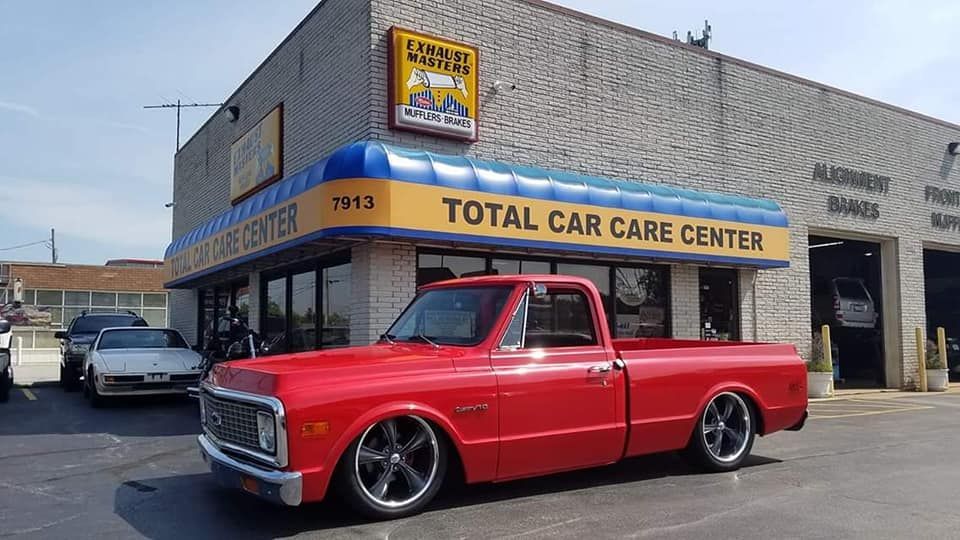
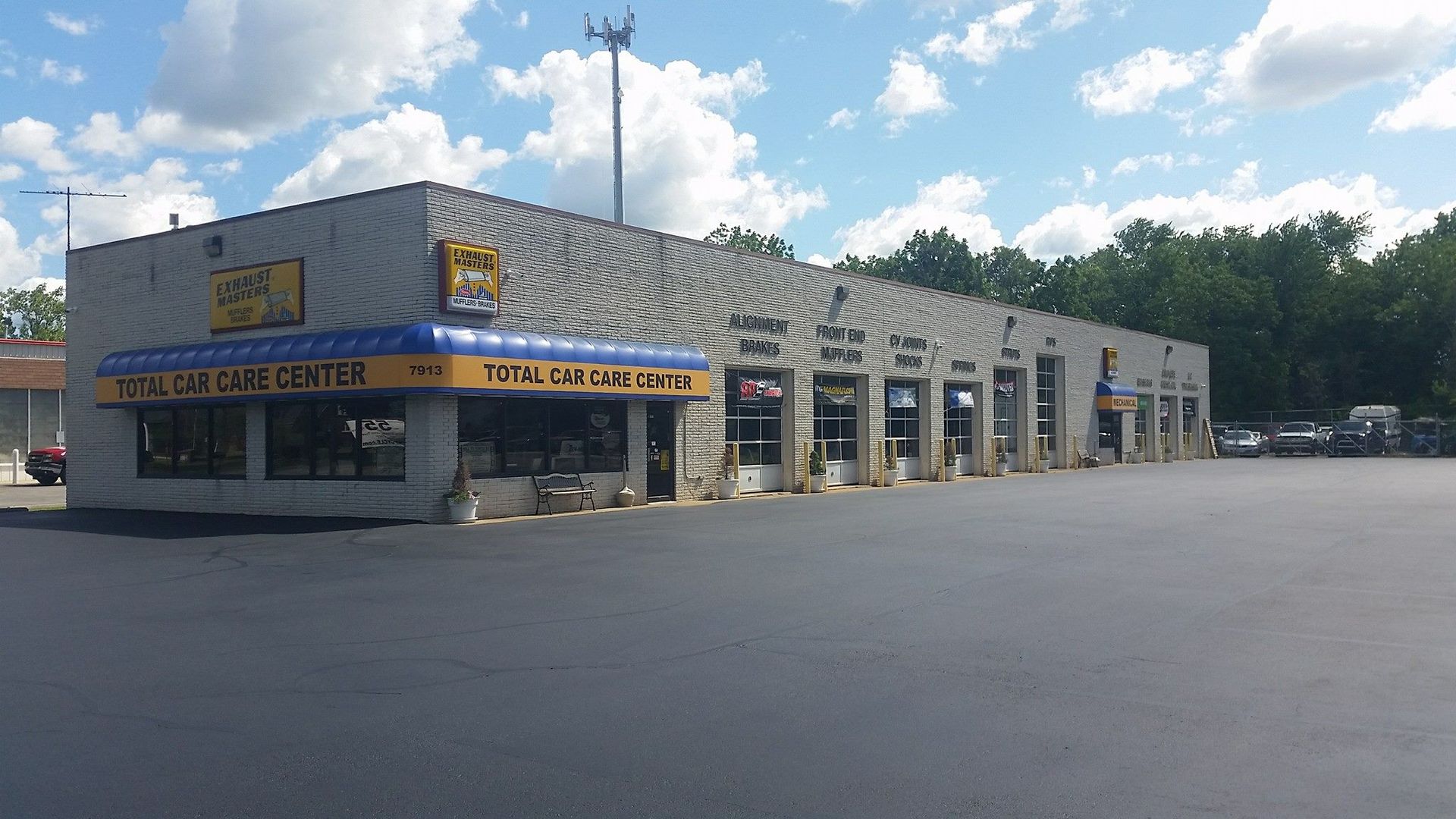
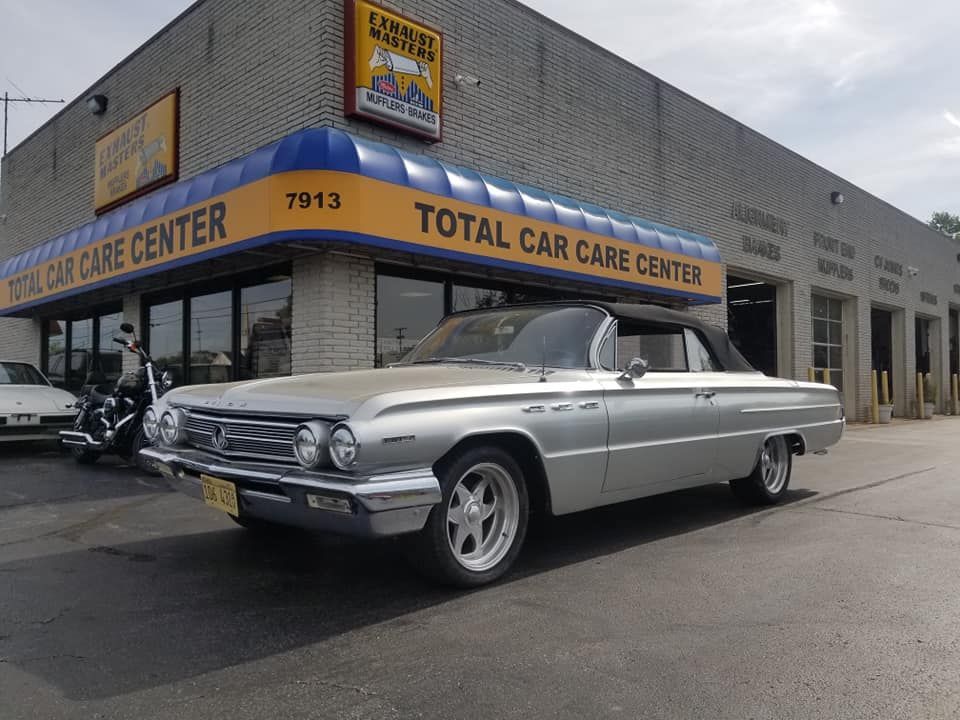
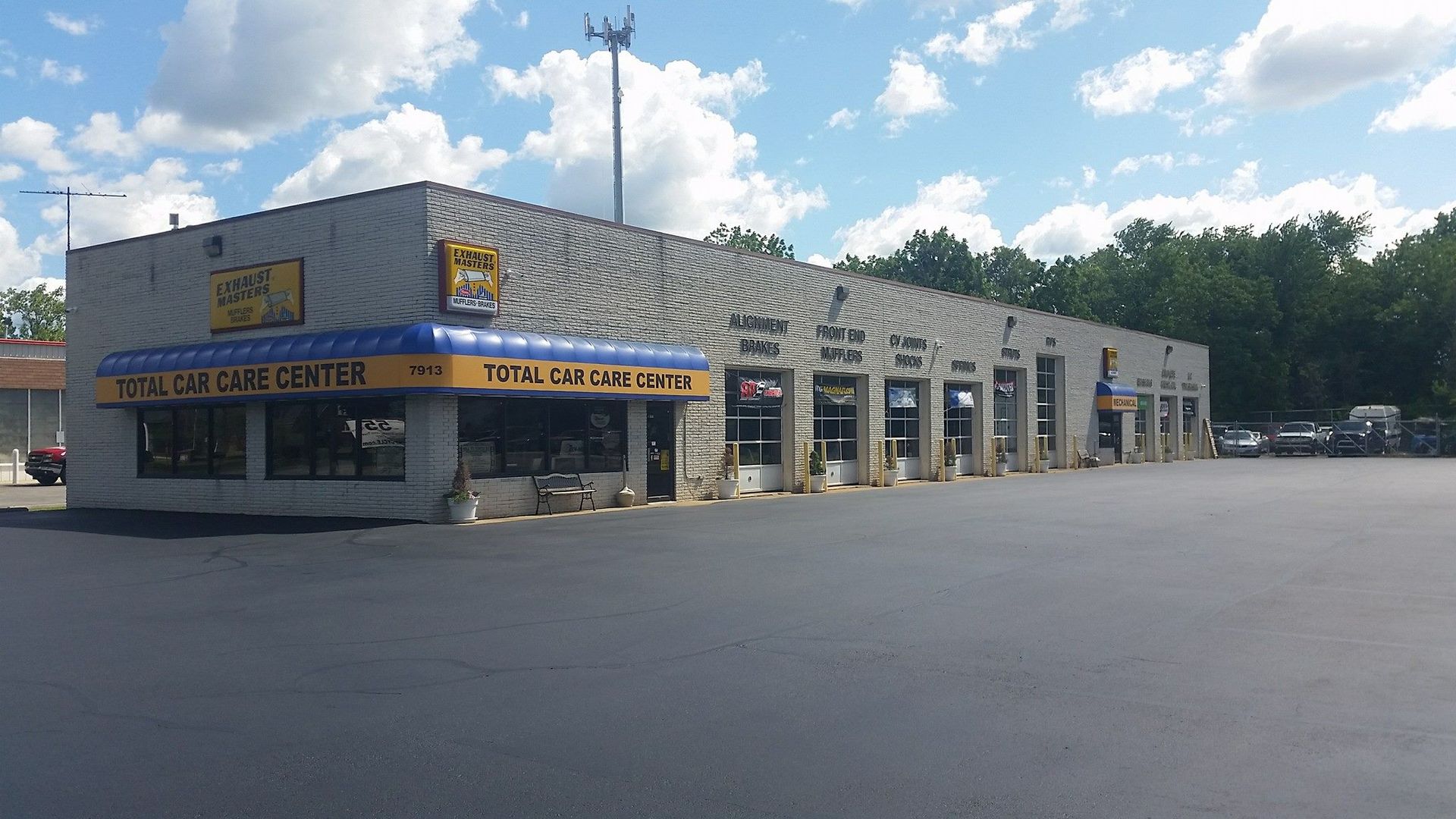
Exhaust Masters Total Car Care Center has been providing professional oil change service to drivers in Merrillville, Crown Point, Lowell, and Hobart since 1974. Our team is ASE-certified, AAA-approved, and works on domestic and foreign cars, trucks, SUVs, and hybrids. Whether your vehicle takes conventional, synthetic blend, or full synthetic, Exhaust Masters uses high-quality oil and matches the right specification to your engine. Contact Exhaust Masters today for a free quote on your next oil change in Merrillville and throughout Northwest Indiana.