ASE-Certified Mechanic vs. Regular Mechanic: What's the Difference?
What Does It Mean to Be an ASE-Certified Mechanic?
An ASE-certified mechanic has passed one or more technical examinations and satisfied relevant hands-on work experience requirements through the National Institute for Automotive Service Excellence. A regular mechanic may have extensive training and experience too, but the term by itself does not confirm that the person has completed the same independent certification process.
That distinction matters, but it does not mean every non-certified mechanic is unqualified. ASE certification gives you one more objective way to evaluate the knowledge behind a repair recommendation. Experience, diagnostic ability, communication and shop reputation still matter when you decide who should work on your vehicle.
What Is an ASE-Certified Mechanic?
ASE certification is a professional credential earned by an individual automotive service professional. ASE offers separate tests covering areas such as engine repair, brakes, suspension and steering, electrical systems, heating and air conditioning, automatic transmissions and engine performance.
That specialty-based approach is important. A mechanic does not receive one universal certification that automatically covers every system on every vehicle. The technician earns credentials in specific areas by passing the applicable examinations and documenting the required experience.
Certification credentials are valid for five years. Technicians must recertify to keep them current, helping ensure that the credential reflects more than knowledge demonstrated many years ago. Vehicles continue to add new electronics, diagnostic systems, safety technology and powertrain designs, so ongoing technical learning is an important part of professional repair work.
How ASE Certification Is Earned
Passing a written test is only one part of becoming ASE certified. A technician must also provide proof of relevant hands-on experience. According to ASE, repair-technician experience requirements vary by certification and may require one, two or three years of qualifying work. Some formal education may count toward part of that requirement when it meets ASE guidelines.
The examinations are organized around job-related knowledge rather than general automotive trivia. Test questions are developed with input from experienced technicians, vehicle manufacturers, parts manufacturers and educators. A person may take a test before completing all required experience, but ASE does not award the certification until both conditions have been satisfied.
This process creates a consistent outside standard. Instead of relying only on a mechanic’s own description of their skills, you can see that an independent automotive organization has evaluated knowledge within a defined service area.
What Does It Mean to Be a Non-Certified Mechanic?
“Regular mechanic” is an informal phrase rather than a specific credential. It may describe someone with decades of practical experience, a recent trade-school graduate, a dealership-trained technician or an independent mechanic who has learned through years of supervised work. It may even describe someone who holds an ASE certification that was never mentioned in the shop’s advertising.
A mechanic can be capable without ASE certification. Practical judgment, careful testing and familiarity with particular vehicles all develop through real repair experience. Manufacturer training, continuing education and mentorship can also build valuable expertise.
The difference is verification. Experience may be impressive, but ASE certification adds a recognized testing and work-experience standard that you can confirm. It does not replace experience. It documents that experience and technical knowledge have met defined requirements.
ASE Certifies Technicians Rather Than Every Repair Shop
ASE certification belongs to the individual professional. A shop may employ several ASE-certified technicians, each with different specialty credentials. That is different from assuming that every employee or every service offered by the business carries the same certification.
ASE also has a separate Blue Seal of Excellence recognition program for qualifying repair businesses, but that is not the same as an individual technician’s certification. When a shop advertises ASE-certified mechanics, you can ask whether the technician handling your repair has training or certification relevant to the system being serviced.
This is especially useful when your vehicle has a difficult problem. A brake concern, electrical failure and transmission symptom require different diagnostic knowledge. Matching the technician’s experience to the job matters more than treating all automotive repair as one interchangeable skill.
What Else Should You Look for in a Mechanic?
ASE credentials are valuable, but they should be part of a larger decision. A trustworthy shop should be able to explain what was tested, what was found and why a particular repair is being recommended. You should not have to approve work based only on a vague statement that something “looks bad.”
Before choosing a mechanic, consider these questions:
- Does the shop diagnose before replacing parts? Good repair work begins by identifying the cause rather than guessing from one symptom.
- Are recommendations explained clearly? You should understand what needs immediate attention and what can reasonably be monitored.
- Does the shop have experience with your type of vehicle? Domestic, foreign, hybrid, fleet and specialty vehicles can present different service needs.
- Can the team handle the complete repair? A full-service shop can address related mechanical, electrical, brake, suspension and exhaust concerns without sending you to several businesses.
- Does the business have a strong local history? Reviews, years in operation and repeat customers help show how the shop performs beyond one appointment.
- Will you receive an estimate before work begins? Clear pricing and authorization help prevent confusion when the repair is complete.
The best choice combines verified technical knowledge with honest communication. Certification can help you narrow the field, but the way a shop diagnoses problems and treats you remains just as important.
Choose ASE-Certified Auto Repair in Merrillville and Northwest Indiana
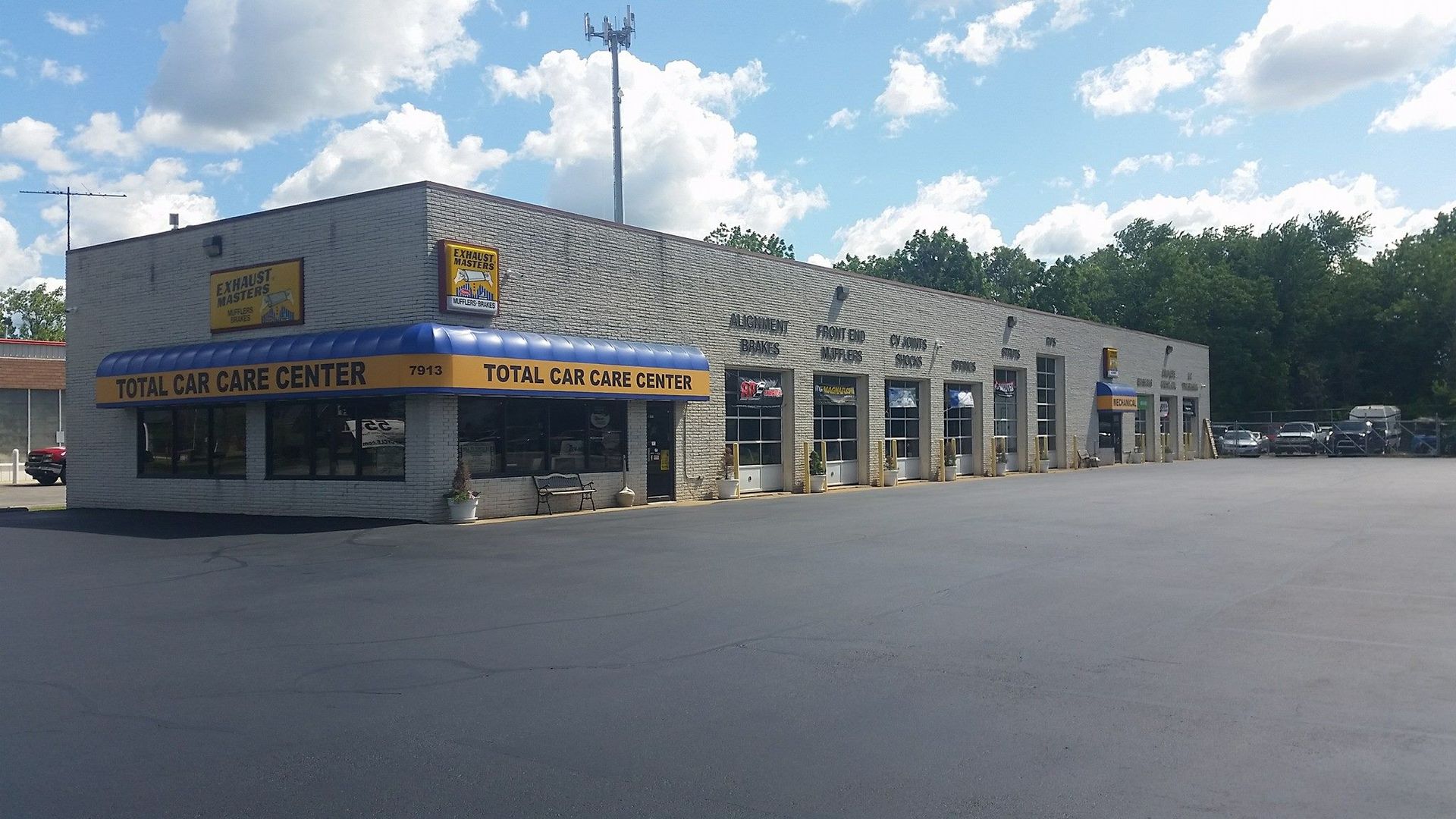
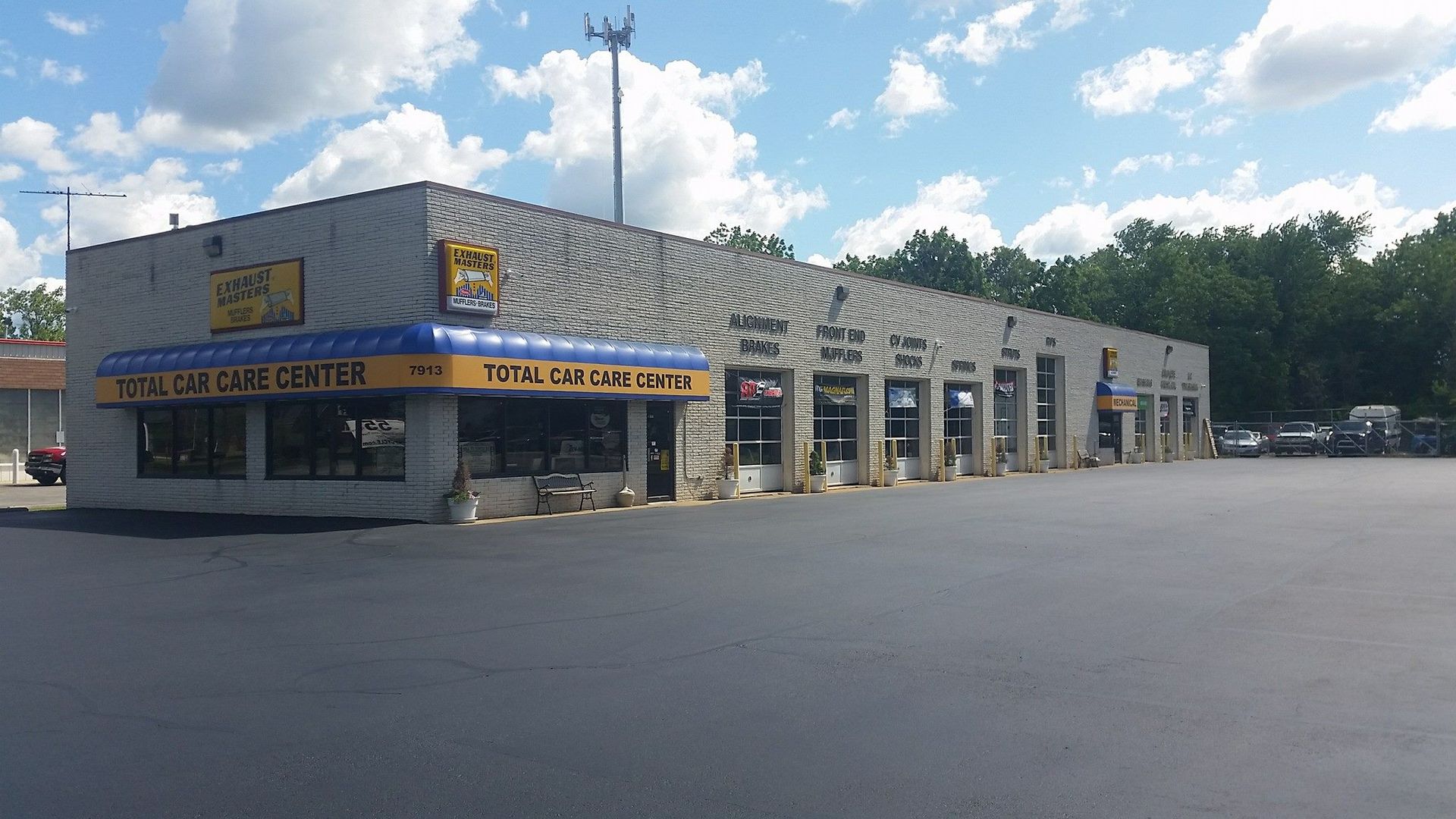
Exhaust Masters combines ASE-certified mechanics with full-service automotive repair and more than five decades of local experience. Since 1974, our team has helped customers understand what their vehicles need before moving forward with maintenance or repairs. We handle brakes, engines, transmissions, electrical systems, steering, suspension, heating and air conditioning, tires, emissions work and our signature custom exhaust services.
Our Merrillville shop serves customers from Merrillville, Crown Point, Schererville, Lowell and communities throughout Northwest Indiana. If your vehicle needs routine maintenance, professional diagnostics or a major repair, contact Exhaust Masters to schedule service and request a free quote.